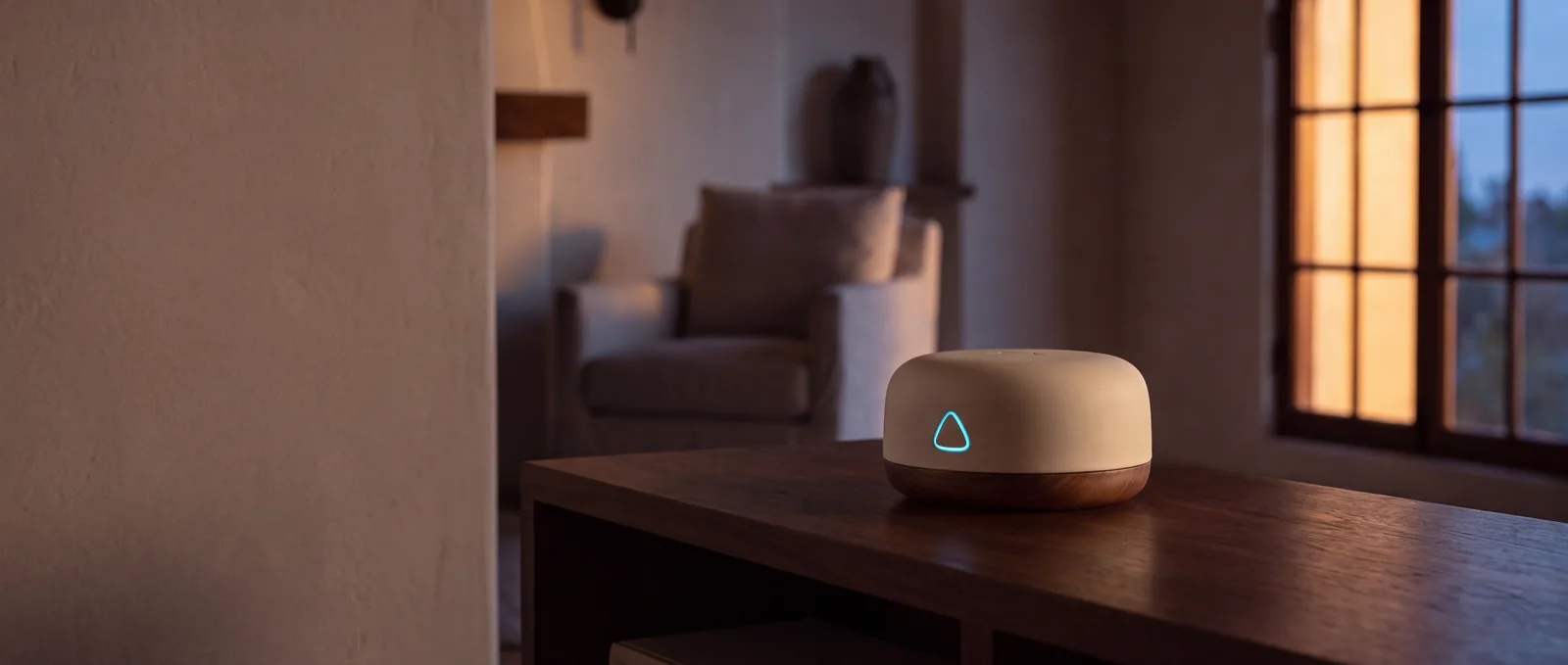

The ALYT hub on a walnut console at dusk, its triangle glowing

Talk to your house. It answers from inside.

One hub on a shelf. It hears you, understands you and replies through your speakers, and none of it leaves the building. Lights, locks, music, cameras and an alarm that was there on day one.

Scroll

Every cloud assistant is a microphone wired to somebody else's computer. ALYT is the opposite: the intelligence lives where your things live.

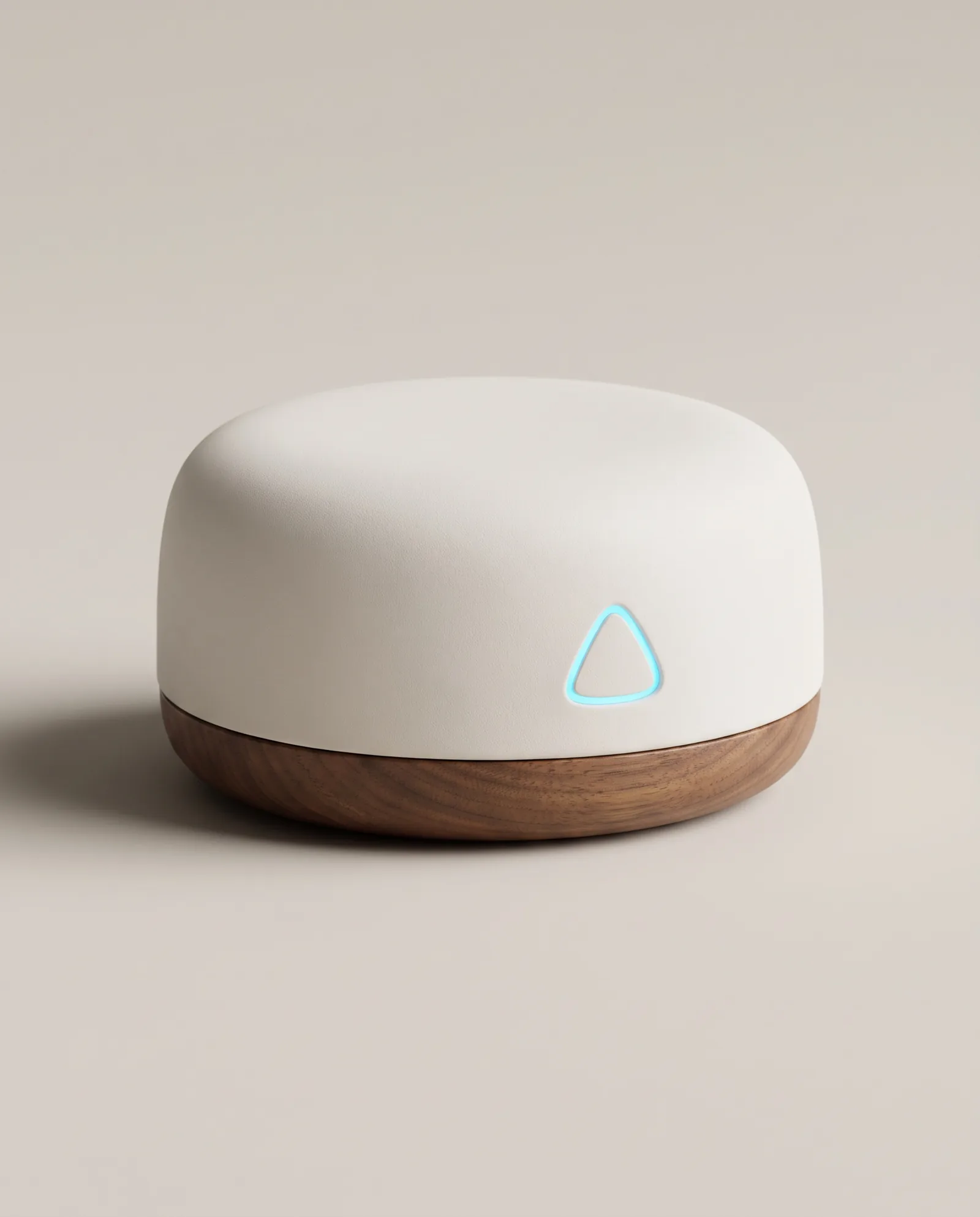
The ALYT hub, matte white on a walnut base, studio shot

A quiet object with a radio for everything.

Matte white on top, walnut below, and one triangle of light that tells you it heard you. Inside: a four-microphone array that picks you up across the room, a wake word that runs on the device itself, and a Zigbee and Thread radio that adopts the sensors, bulbs and locks you already have.

No router setup. No port forwarding. Plug it in, open the app, and it finds its way home.

  • Microphones4, far-field array
  • Wake wordOn the device
  • RadiosWi-Fi, Bluetooth, Zigbee and Thread
  • Size180 × 168 × 95 mm
A woman speaking with Simone through the ALYT app on her phone

Built for home. Trained for yours.

Meet Simone, powered by ALYT’s custom-trained AI model, dedicated to understanding your home. Speak naturally about your rooms, devices and routines, or ask an open question.

Talk with Simone in the app, or hear replies through the Sonos in the room you spoke from. At home, the microphone mutes during playback so the assistant never hears itself.

0.55s
to the first spoken word of a routine
0.71s
to answer "is the back door locked?"
0
words stored unless you say so

Security was not a feature we added. It was the first sketch.

ALYT began in 2010 as a professional intruder alarm you could install yourself. The relaunch keeps that spine: four modes, inputs enrolled by what a device can sense, a siren through your speakers, and a system that never says "Protected" when it is not.

A jammed lock is reported as a jammed lock. A doorbell press is not an intrusion. A camera is coverage, not a tripwire.

A resident arriving home beside a smart lock and door sensor at dusk

Your brands are already invited.

Sonos, Ring, ecobee, Zigbee, Spotify, Alexa and more speak to one home. New connectors arrive from the developer platform without an app update.

WhenOnly ifDo

A routine is one sentence.

When something happens, only if these hold, do these things in order. Written in plain words, run on the hub, and readable afterwards as a sentence that says exactly what happened and why.

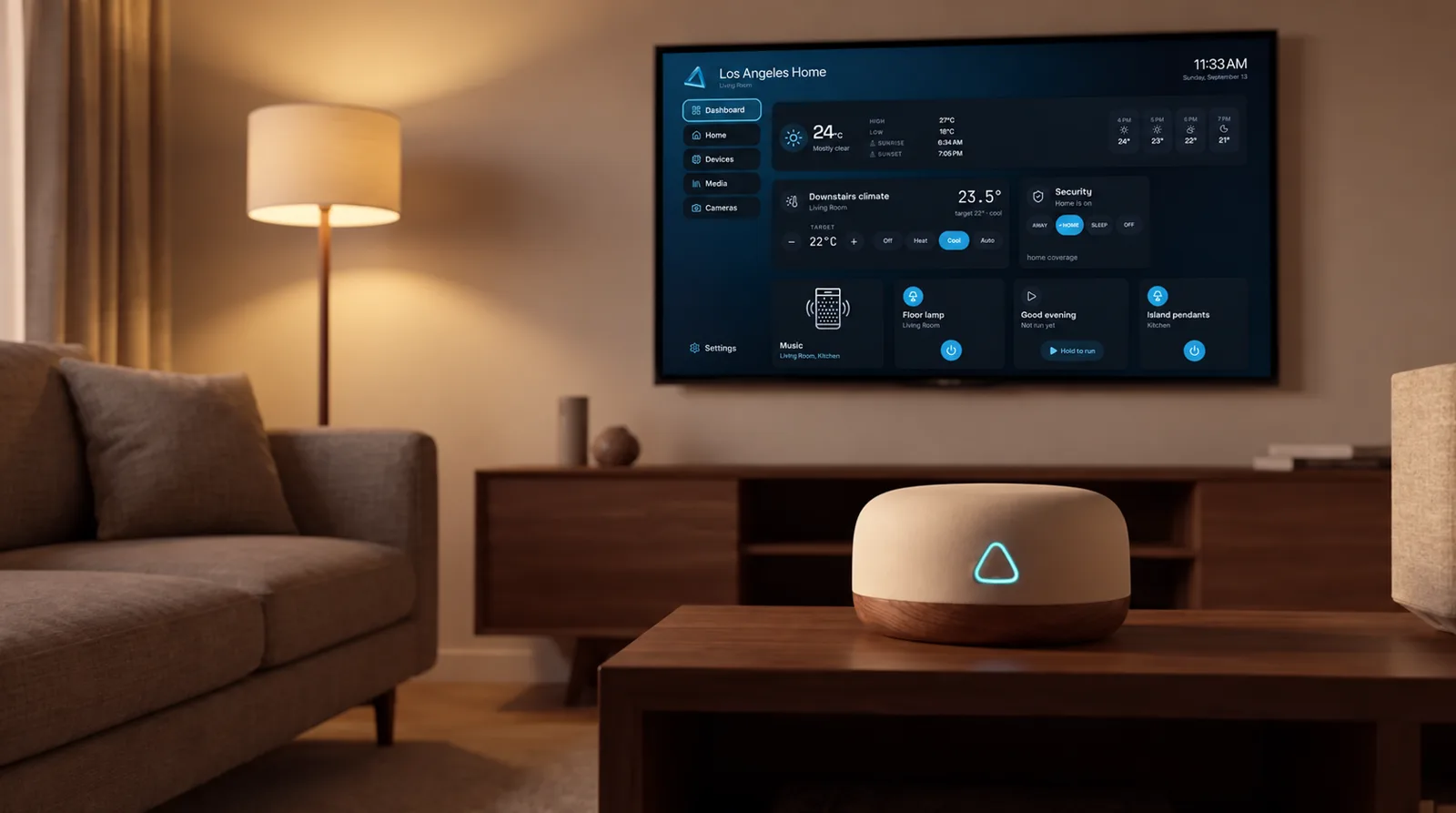
The ALYT dashboard on a living room television

On the phone, the wall, the TV and the dashboard of the car.

One home, drawn by every screen you own. Press to talk from the phone. Glance at the widget. Approve an alarm change from the couch. Carry your favorites into the car.

Hosted by us, or hosted by you.

Nothing in the house but the hub, with the platform run by ALYT. Or a box in your closet running the whole thing, with your name on it. The same product on both routes, and a documented path between them.

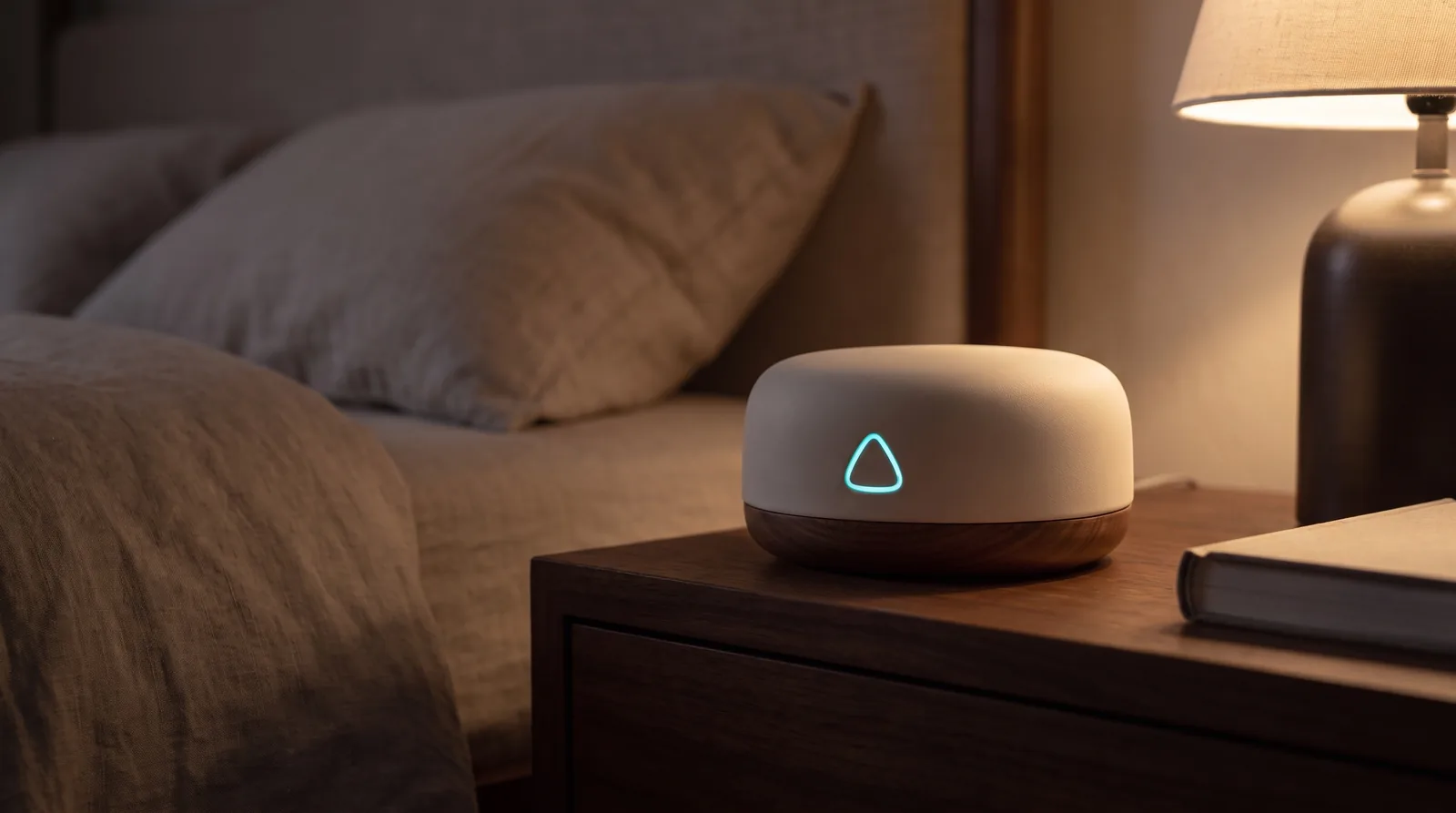
The ALYT hub on a nightstand at night
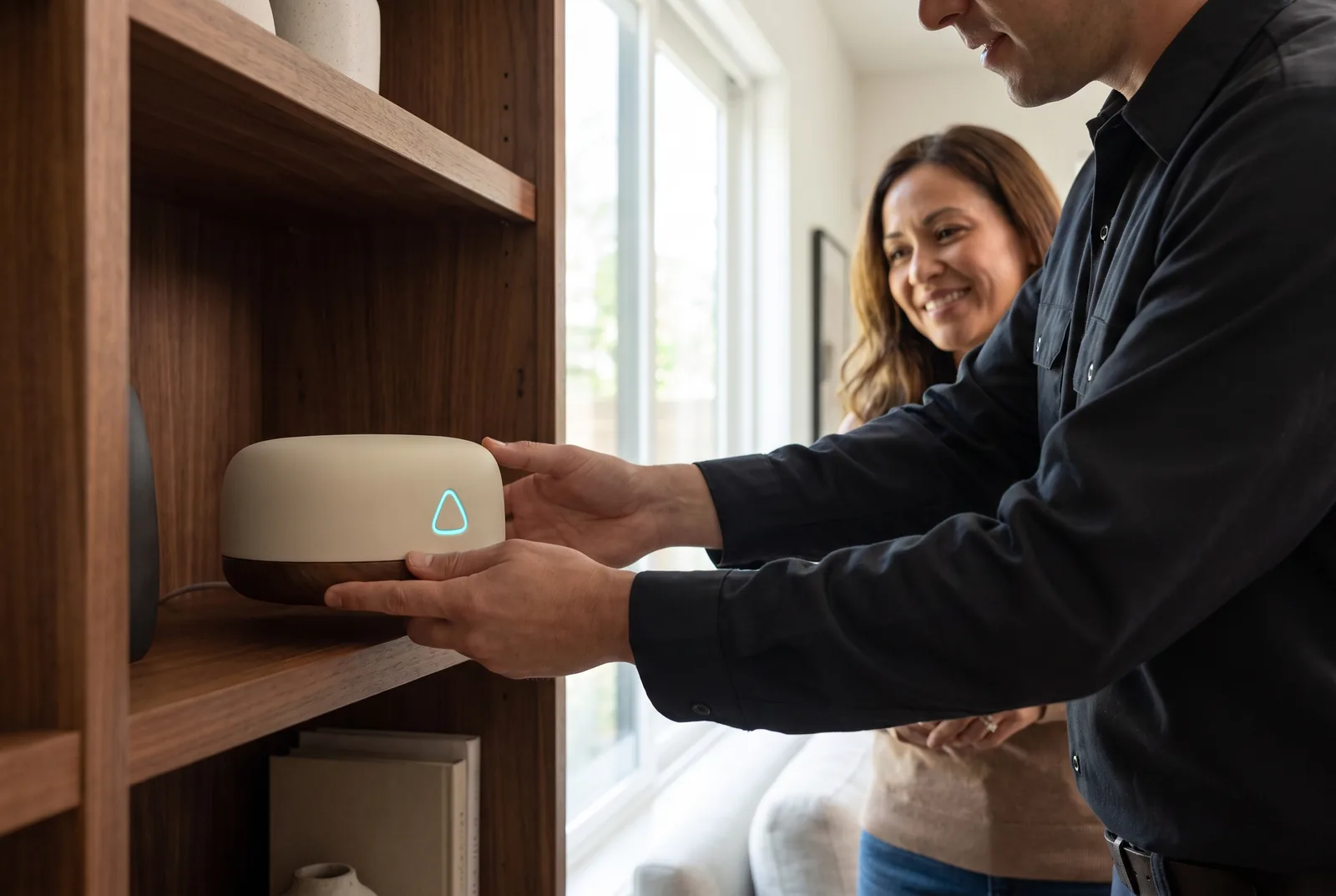
An installer placing the ALYT hub on a shelf while the homeowner watches

Built for the people who install it.

If you distribute or install for a living, the partner portal gives you every customer's home in one place: policies, appointments, issues and a knowledge base written for technicians.

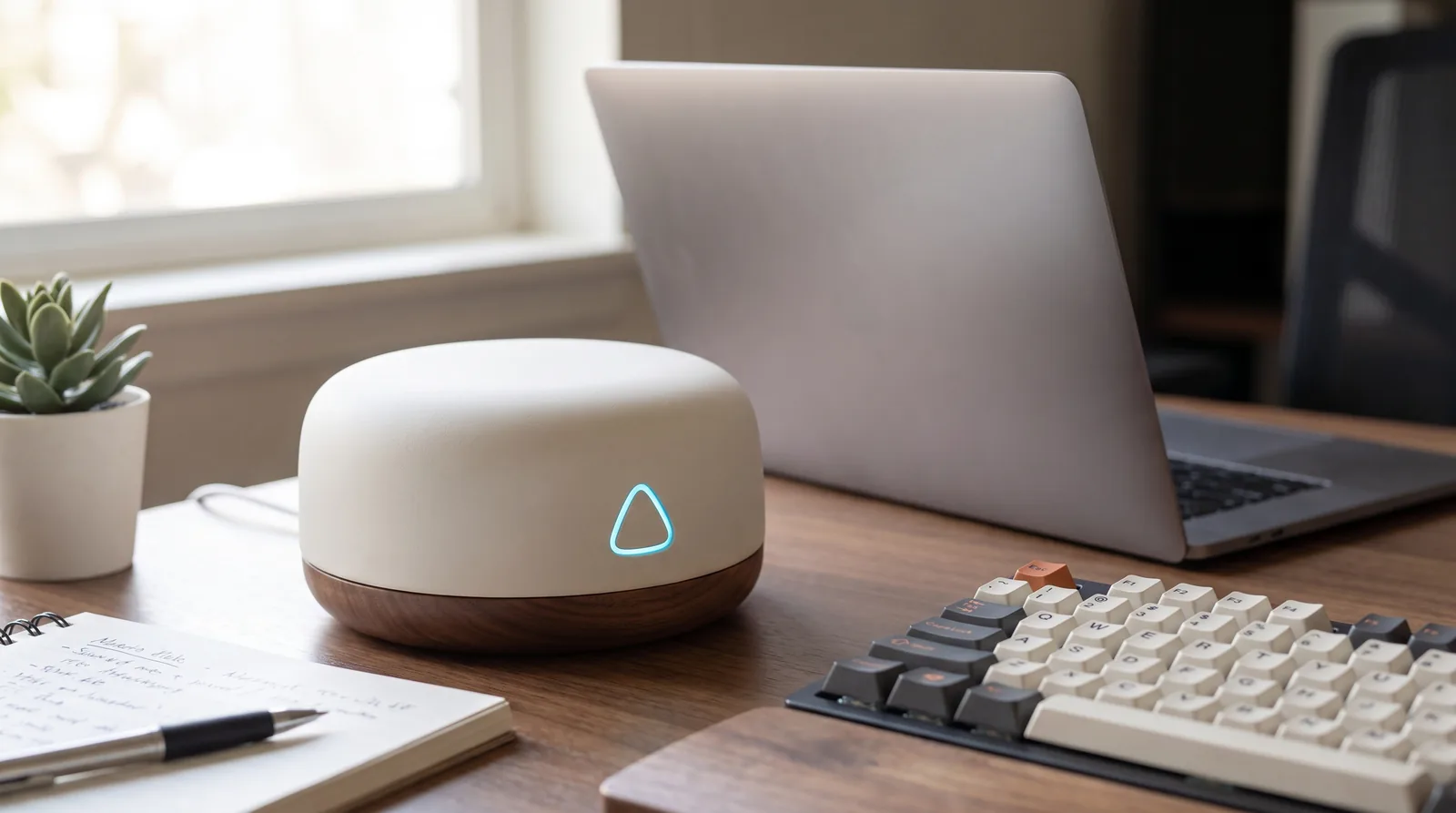
A developer's desk with a laptop and the ALYT hub

Bring the next connector.

A published API with 243 operations, SDKs for TypeScript and Python, a sandbox that is a real tenant, and a simulator on the real broker. Submit a connector and it reaches every home.

Ten years ago we put your things on one hub.

570 backers, telecom pilots in three countries, a thousand compatible devices. Then the models got small enough to live at home.

Macro of the hub's glowing triangle and the seam with the walnut base

Give your things a home that thinks.

Register your home, connect what you already own, and put the hub in the room where you talk the most.